About Us
The Dev Group
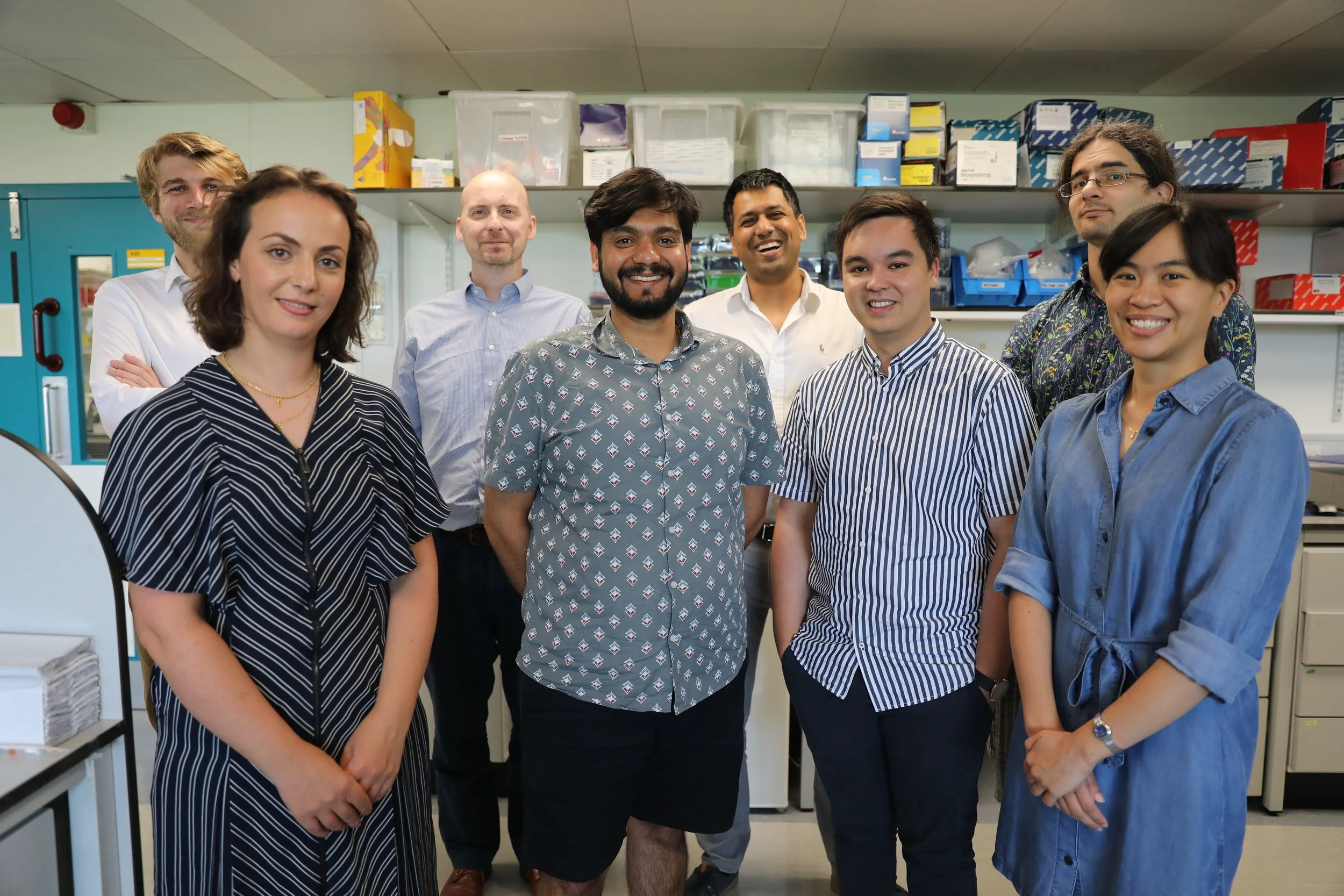
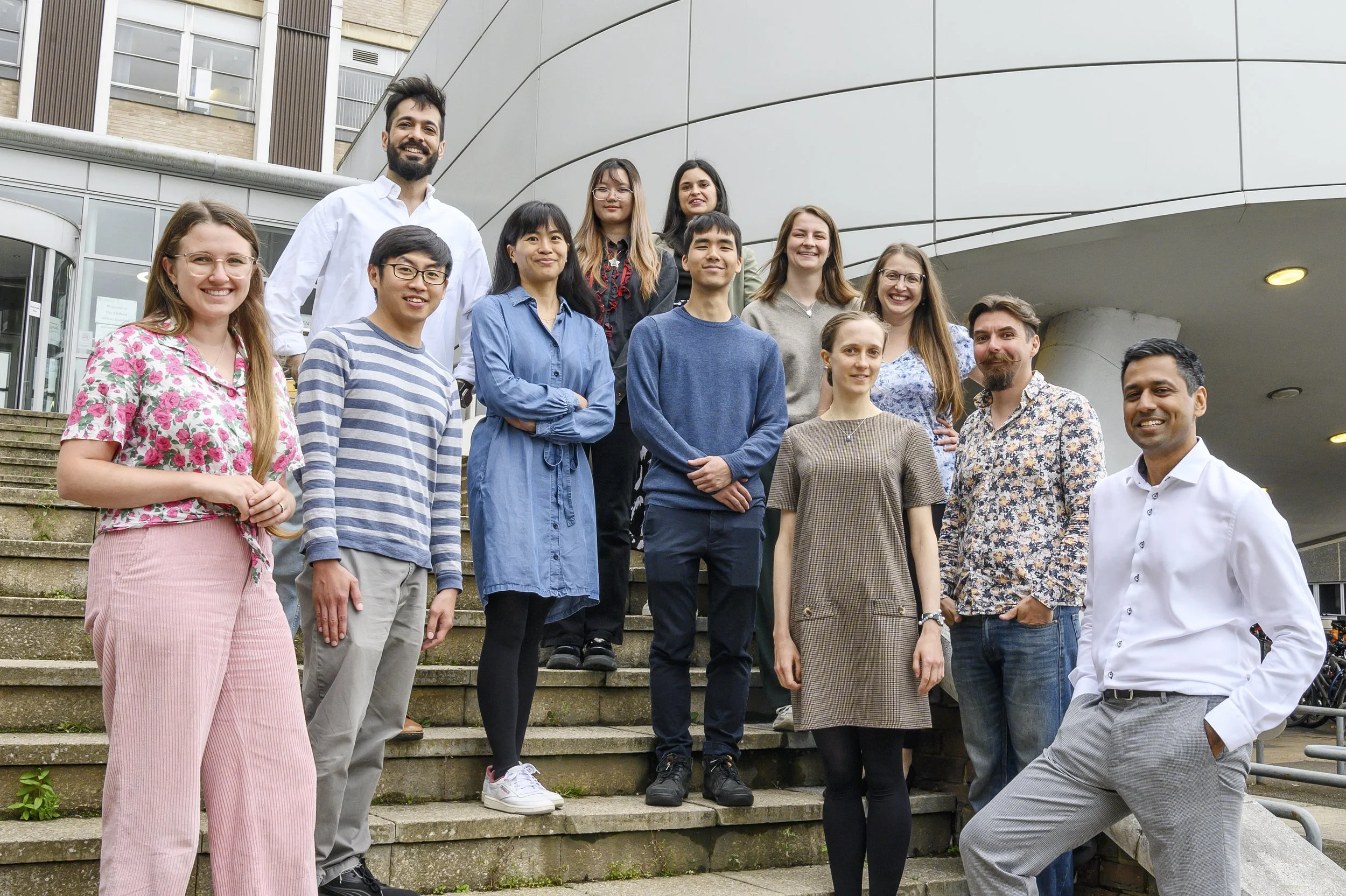
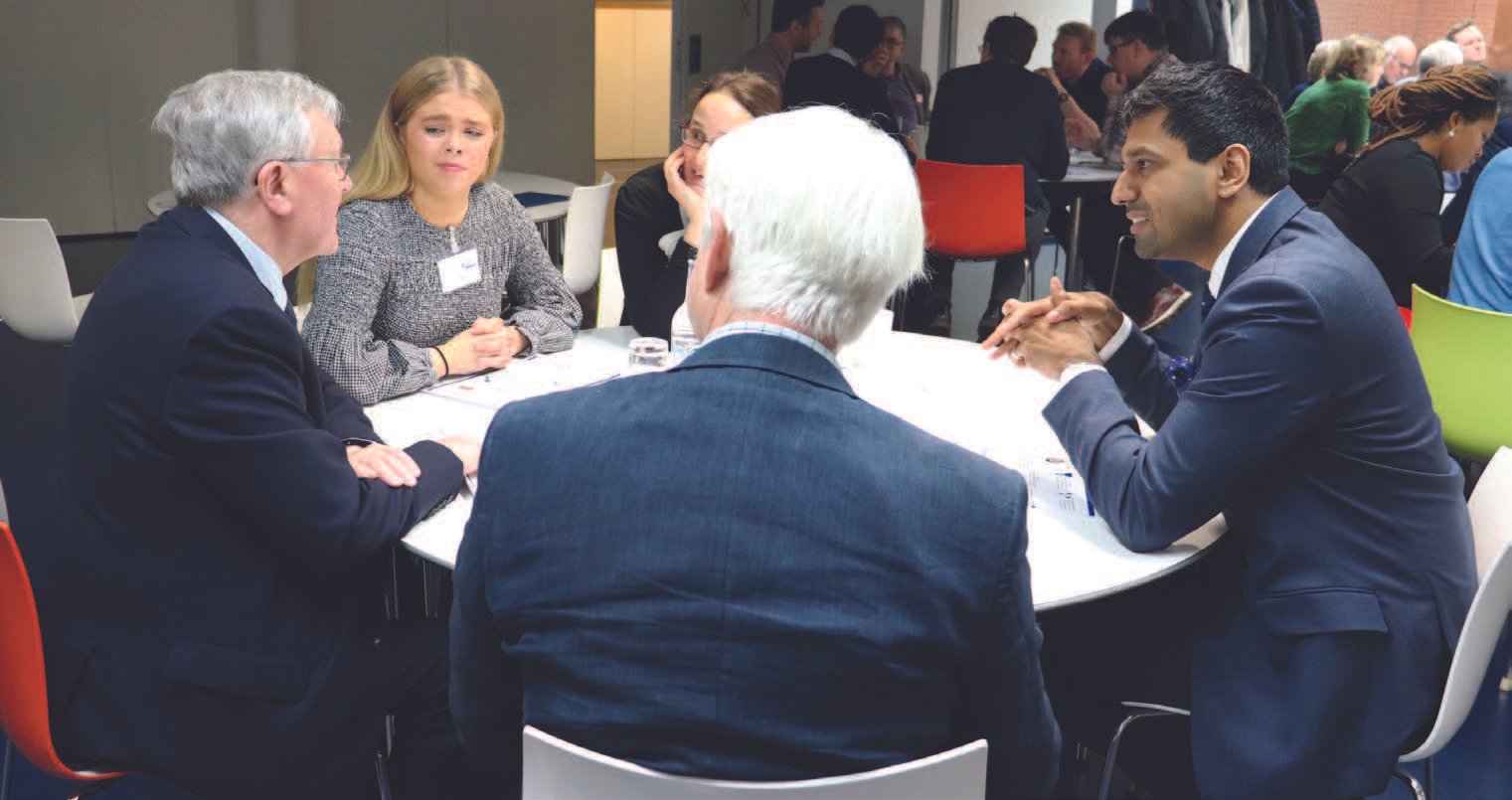
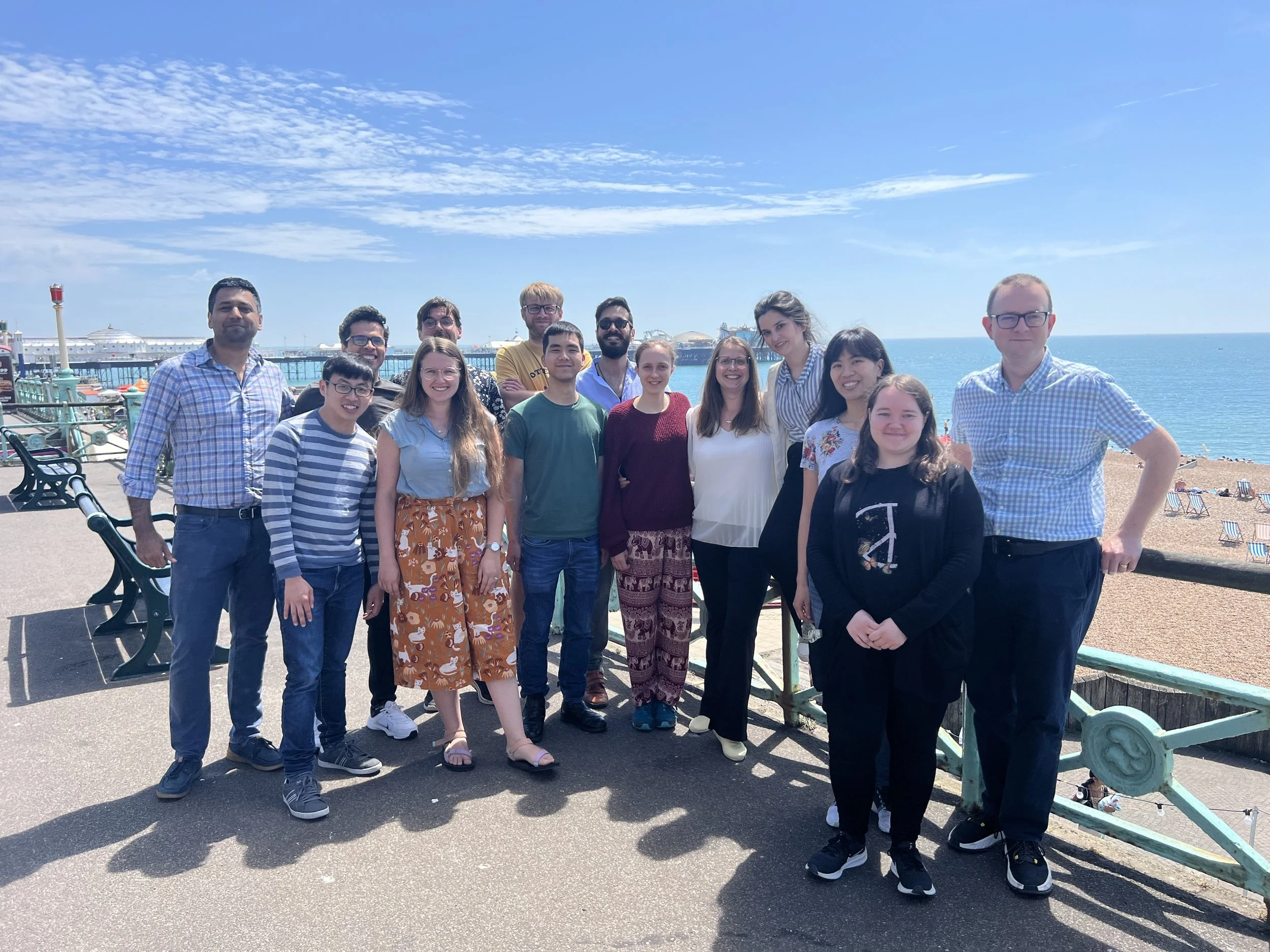
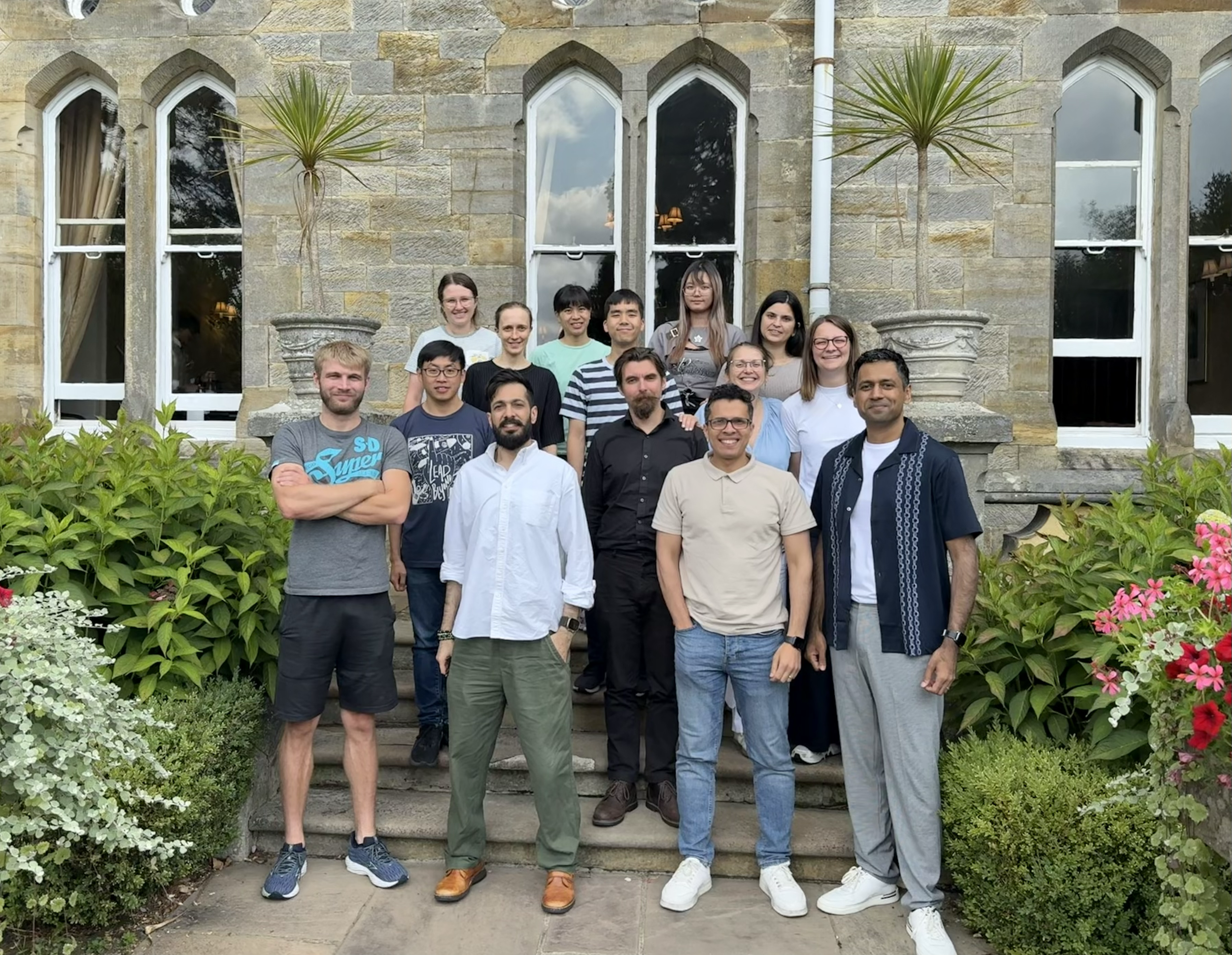
The Dev Group is a multidisciplinary research group based in the Early Cancer Institute at the University of Cambridge. We bring together surgeons, oncologists, biologists and data scientists to understand why some early prostate cancers become lethal while others do not, and how to intervene earlier and more precisely to prevent harm.
Our work spans epigenetic profiling of prostate tissue, development of methylation-based liquid biopsies, and studies of DNA repair–targeted therapies such as PARP inhibitors – always with an eye on how these insights can shape clinical trials and future practice.
How we work
We sit at the interface of clinic and lab. Our projects are built around real clinical questions – who needs treatment, who can be safely observed, and who benefits most from which therapy – and combine patient tissue, blood samples and advanced models with genomic and computational approaches.
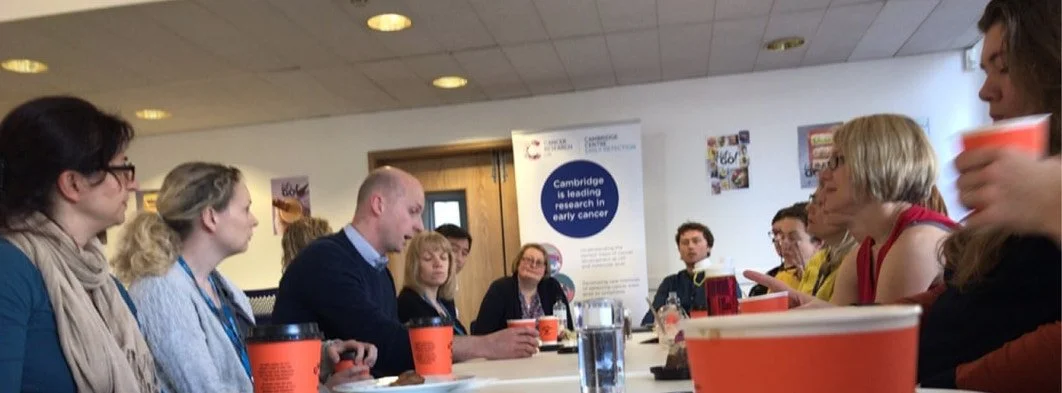
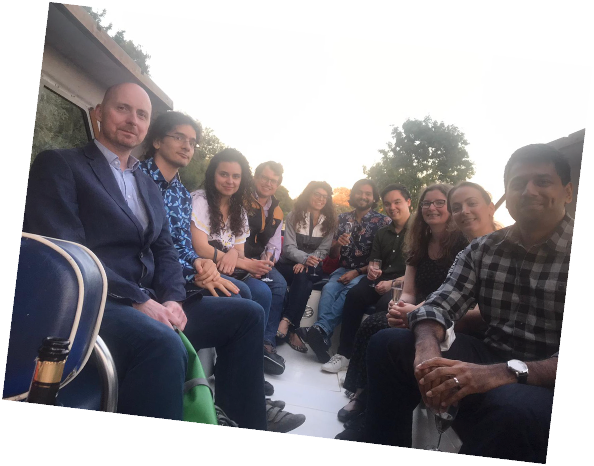
Collaboration and training are central to the group. We work closely with colleagues across the Cambridge Cancer Centre and Early Cancer Institute, and support clinical and non-clinical trainees to develop as independent researchers while contributing to team science.
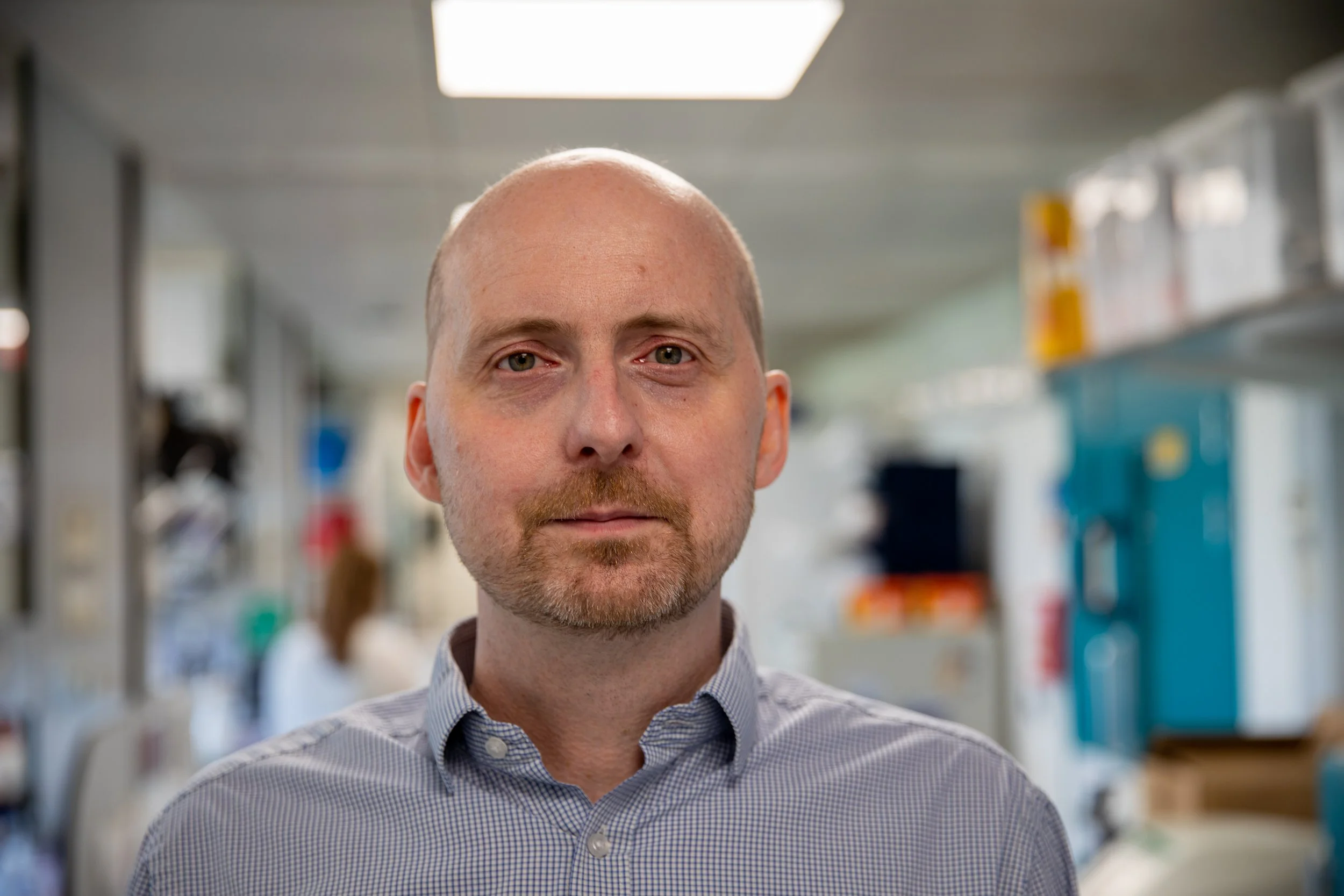
Dr Harveer Dev
Academic Urologist & Group Leader, Early Cancer Institute, University of Cambridge
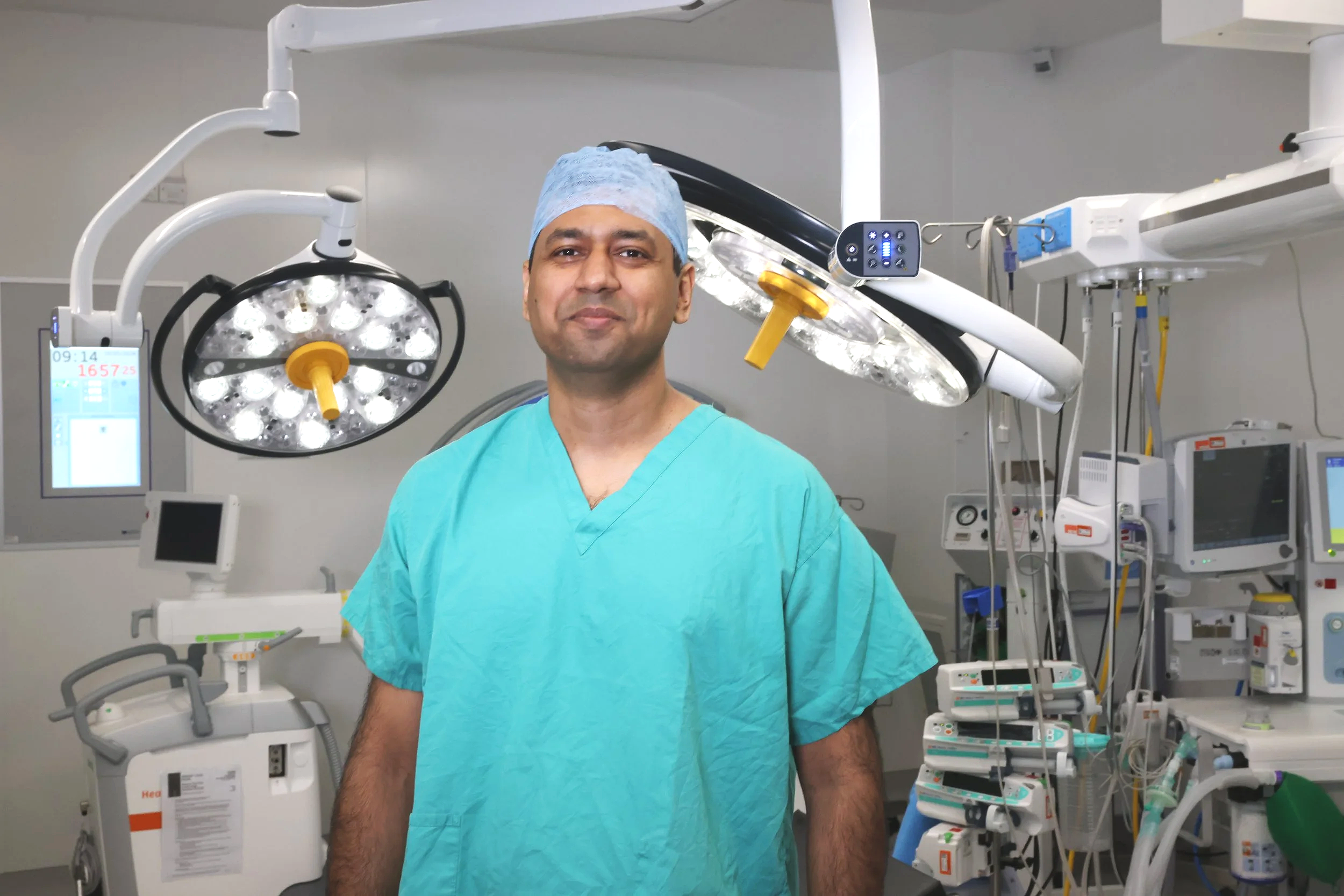
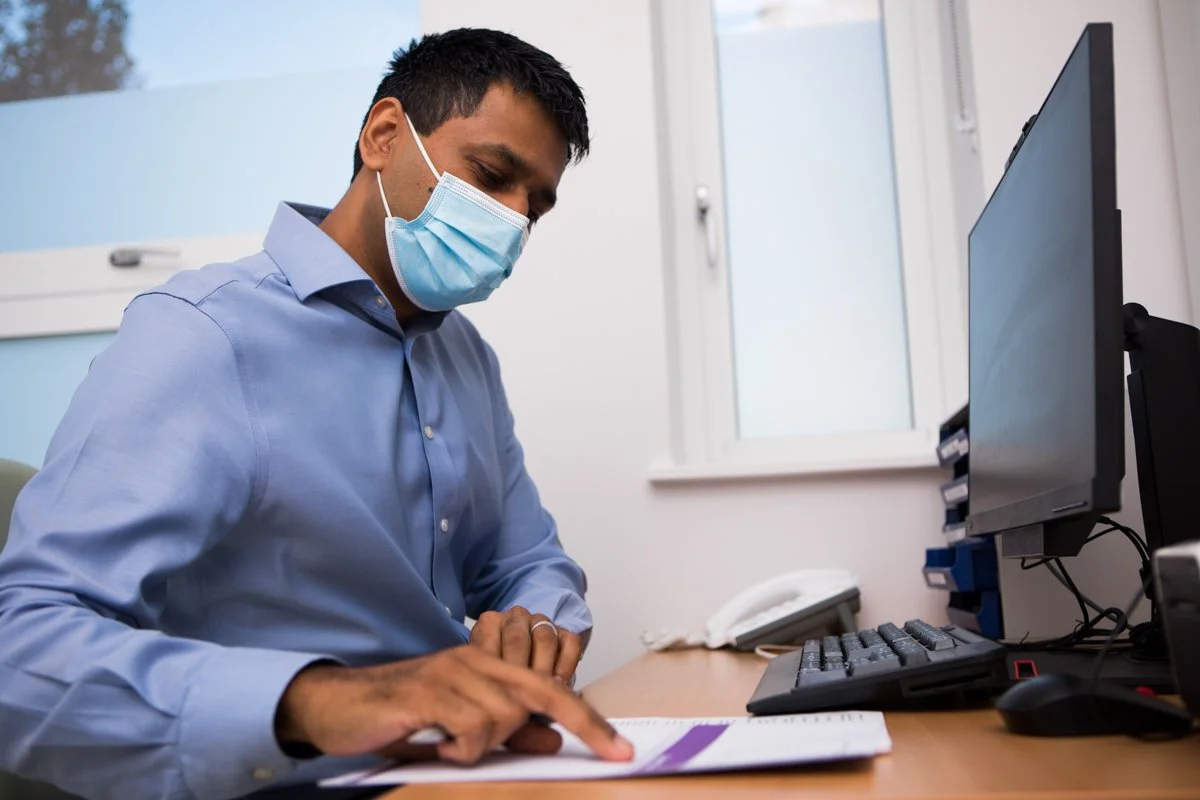
Harveer is a urological surgeon and cancer scientist whose work focuses on the early biology of lethal prostate cancer. He leads the Dev Lab at the Early Cancer Institute, where his group studies how genome instability, epigenetic change and circulating DNA can be used to predict which cancers need treatment and how best to treat them.
He studied medicine at St John’s College University of Cambridge and completed academic urology training in Cambridge and the East of England. He undertook a Wellcome Trust–funded PhD in Biochemistry under Steve Jackson, with time as a Fulbright Research Scholar at Harvard/Dana-Farber with Dipanjan Chowdhury and David Pellman. His research now spans epigenetics, liquid biopsies and DNA repair in prostate cancer, including mechanistic work on cancer therapeutics, methylation-based ctDNA assays for early detection and monitoring, and trial-linked studies in peri-operative and early-phase settings.
His clinical practice includes men undergoing diagnostic assessment, active surveillance and radical treatment including robotic radical prostatectomy, with a focus on evidence-based care, functional outcomes and integrating research where appropriate.
He has a long-standing interest in surgical outcomes, tissue banking and building platforms that link high-quality clinical data with biospecimens. Increasingly, his clinical–research interface centres on early-phase and peri-operative “window” trials, intensive sampling of tissue and plasma, and the development of molecular tools to help decide who needs treatment, which treatment to offer and when to intervene.
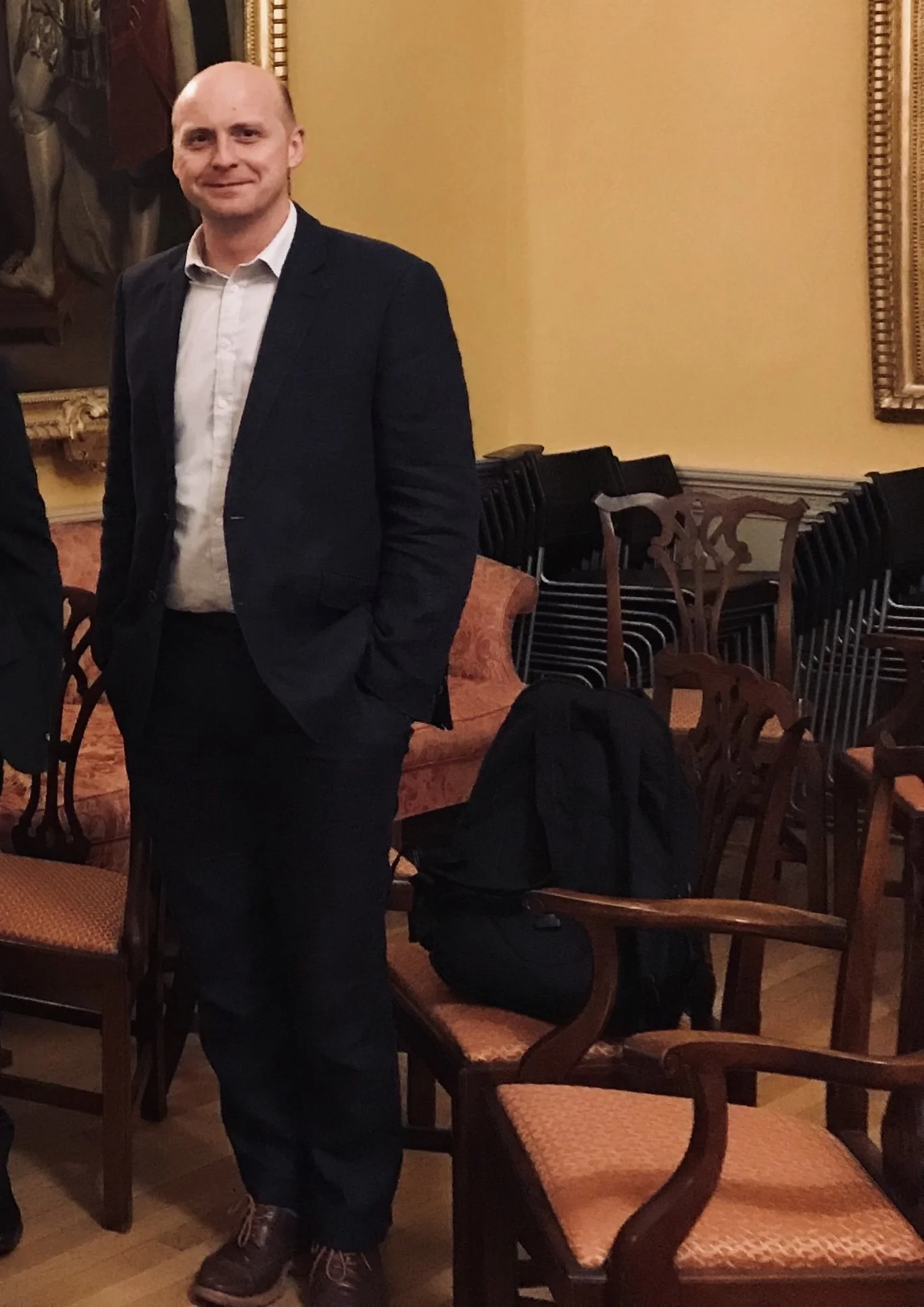
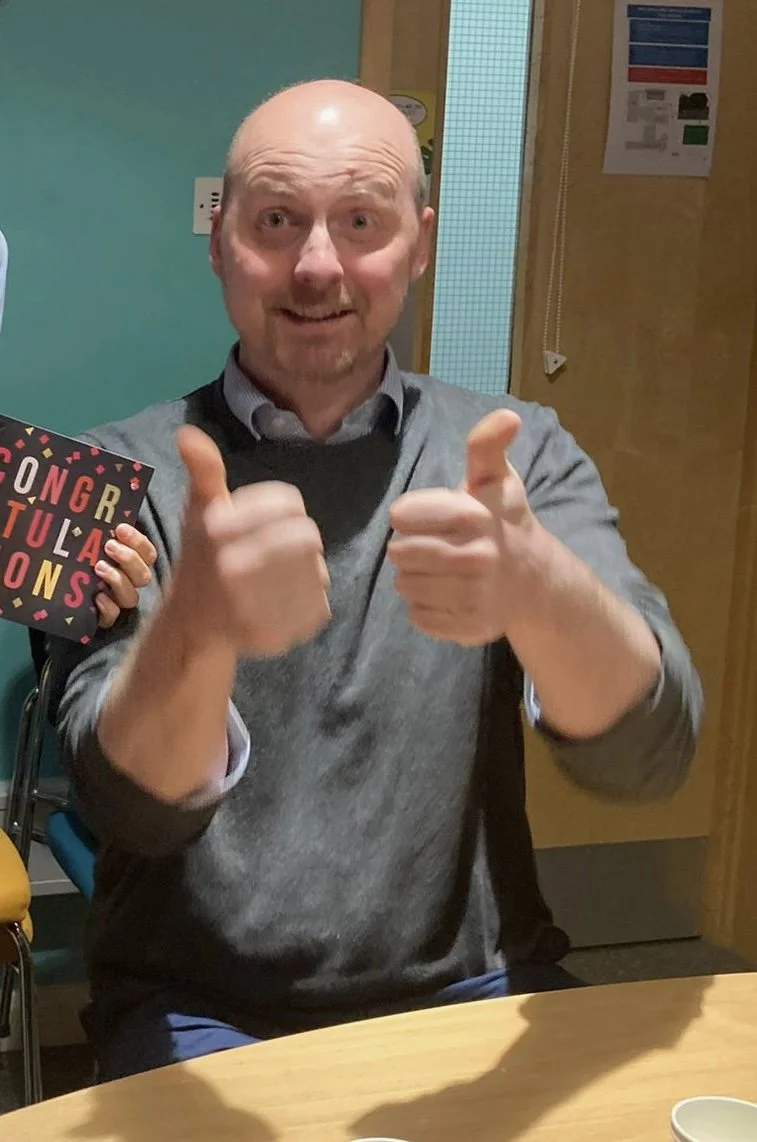
In memory of Dr Charlie Massie
Friend, mentor, great scientist
Dr Charles (“Charlie”) Massie was a friend, mentor and collaborator whose work and generosity have left a lasting imprint on prostate cancer research in Cambridge and far beyond. As a Group Leader in the Early Cancer Institute and a key member of the UK Prostate ICGC consortium, Charlie helped to define how we think about the genomic and epigenetic evolution of prostate cancer. Many of the questions the Dev Lab now pursues – about spatial epigenetic patterns, multifocal disease and early lethal trajectories – are built directly on foundations he laid.
Scientific Legacy
Charlie’s research combined deep technical expertise with a very human sense of purpose. He championed careful integration of genomics, pathology and clinical data, long before this became routine, and he was generous in sharing methods, data and ideas. His work within the UK Prostate ICGC and subsequent projects has shaped how we approach the spatial and temporal evolution of prostate cancer and how we design studies to capture it.
That legacy continues in multiple ways:
Charlie’s Project – a Prostate Cancer Research–funded study exploring the spatial epigenetic landscape of prostate cancer, building on Charlie’s vision for how tissue and molecular data could be integrated to understand disease evolution.
The ACED Charlie Massie Doctoral Research Fellowship, held by Lucy Faulkner as the first fellow, supporting new generations of early-career researchers working on early cancer biology and detection.
Ongoing collaborations and data resources established through Charlie’s work, which underpin several of our current projects in the Dev Lab.
Community and mentorship
Charlie was also a gifted mentor and a generous colleague. He created space for younger scientists and clinicians to grow, and he valued good questions, careful thinking and a sense of humour as much as raw results. Those of us who were lucky enough to work with him try to carry that spirit into how we run our lab and train our own students and fellows.
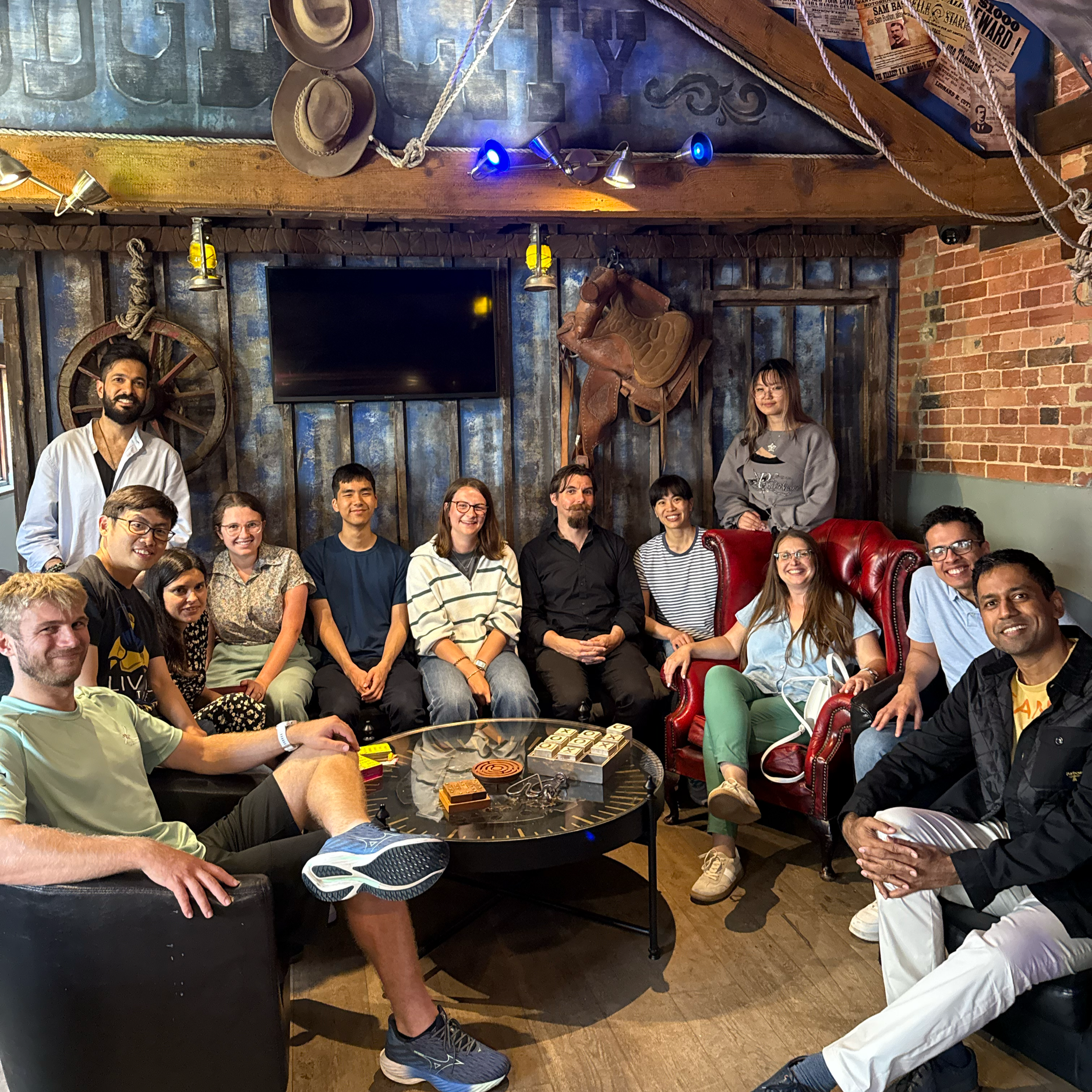
In 2024, Charlie’s widow Jess Massie joined our Institute away day to present the Charlie Massie Prize, awarded to a student or trainee who goes beyond their own project to engage with the wider research community. It is a small but important way we remember the values Charlie championed: curiosity, collaboration and kindness.
Community and mentorship
We remain deeply grateful for Charlie’s friendship, mentorship and scientific insight. His influence on our work is woven through many of the pages on this site – from our interests in epigenetic landscapes and spatial biology to the training pathways we are building for the next generation.
You can read the full obituary published by the Early Cancer Institute here.